The oldest sports associaton in the World the National Association founded in 1871 was reformed here in Greenwich Village into the National League in 1876. Twenyfive years later the American started also called the “junior Circuit”.
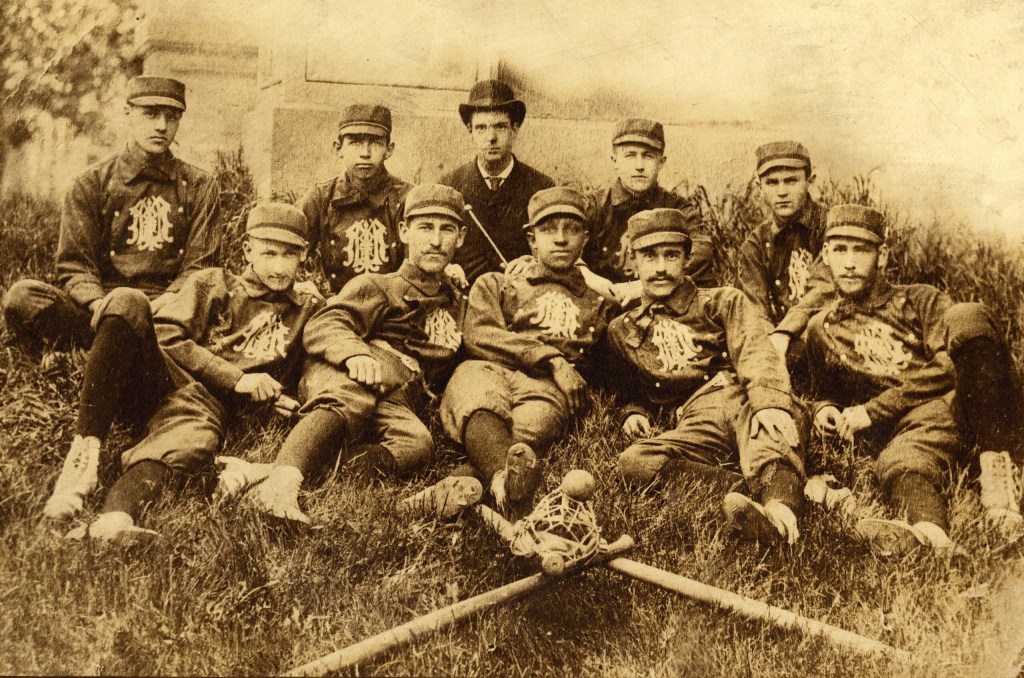
The oldest sports associaton in the World the National Association founded in 1871 was reformed here in Greenwich Village into the National League in 1876. Twenyfive years later the American started also called the “junior Circuit”.
How Bank Street got its name. Along with the exodus from lower Manhattan after the 1820 outbreak of yellow fever two banks moved up to Greenwich Village. Both set up on the same road now called Bank St.

It was low rents which attracted writers, aspiring actors, and musicians to the Village. As we walk these streets I tell of some of the many who made Greenwich Village legends.
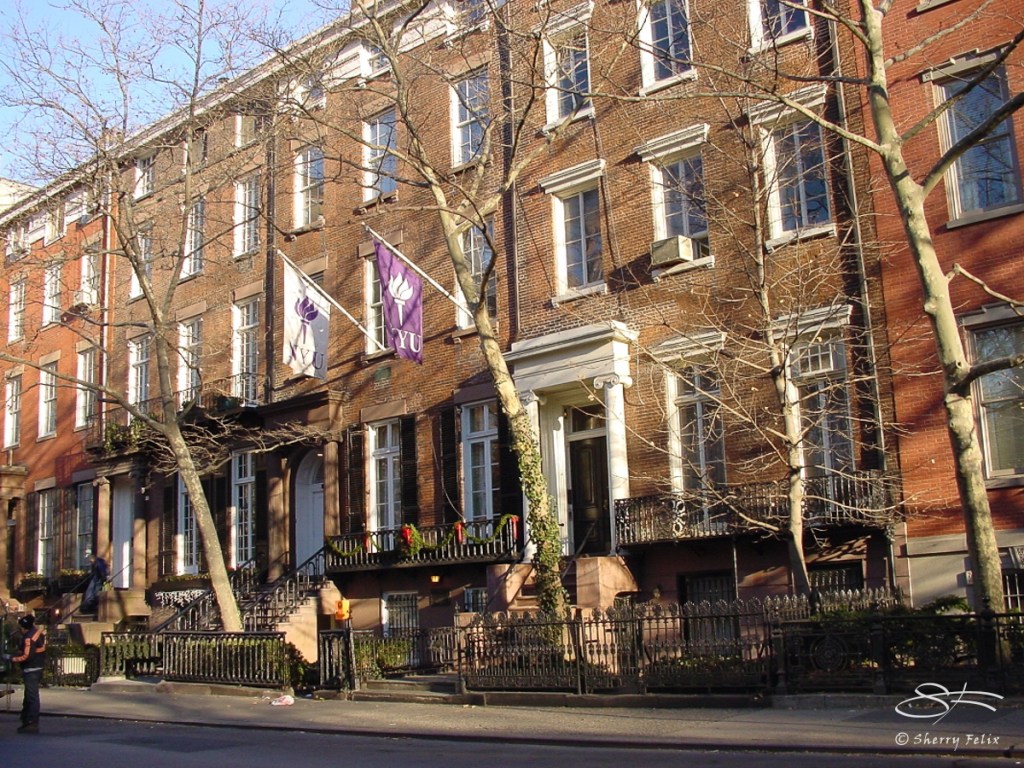
Almost every street in the Village has had some kind of creative person living there. On my street, Horatio Street, alone there have been many, such as: the sculptor Chaim Gross (#48) and painter Jackson Pollack (#47). Then there are writers like: James Baldwin (#81), and John Cheever (#51. Also folk singer Richie Havens (#53) and pop star Tod Rundgren (#51) have made this street their home.


In 1847 27 year old Poe came to New York City with his bride of 13. Here on Bleeker St. he was living when his first work was published, The Raven in the Evening Mirror. Poe then left the city for about a decade returning with his wife now in the last stages of tuberculosis. He then went to the country side of the Bronx for her health where she passed and Poe left New York never to return.
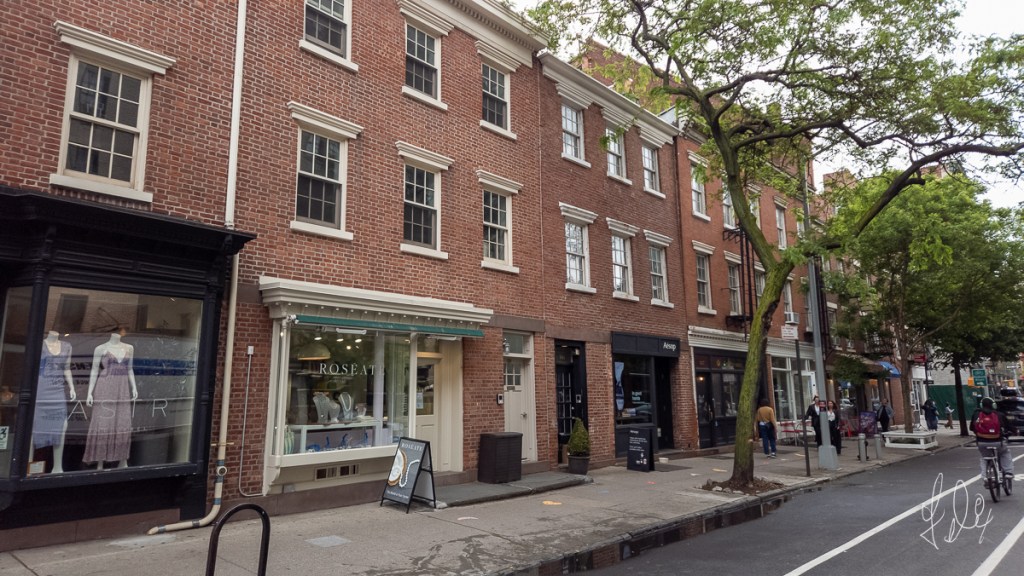
The courthouse was built in 1877. There was a fire tower there in circa 1833 and the Jefferson Market. It is now a library Jefferson Market Library – Wikipedia.
Jefferson Market Courthouse was a night court for the next 70 years. Arraigned there defendants such as Boss Tweed, head of Tammany Hall and embezzler of hundreds of millions of dollars during his regime in NYC; Harry Thaw, who killed the architect Stamford White; and May West for lewdness on stage in her production “Sex.”

Barrow Street borders the south end of Saint Luke’s in the Fields Church. It was once called Reason Street after a writing by Thomas Payne. Payne was an atheist. So, Saint Luke’s renamed the street after John Barrow instead. Barrow was an artist who made a painting of the church.

 Marc's Village Walk